At the close of the fifteenth century, Henning Pogwisch, a gentleman of considerable influence, sold Sievershagen to the monks of Cismar. Upon the dissolution of their monastery, the estate passed to the family whose descendants would become the Dukes of Oldenburg.
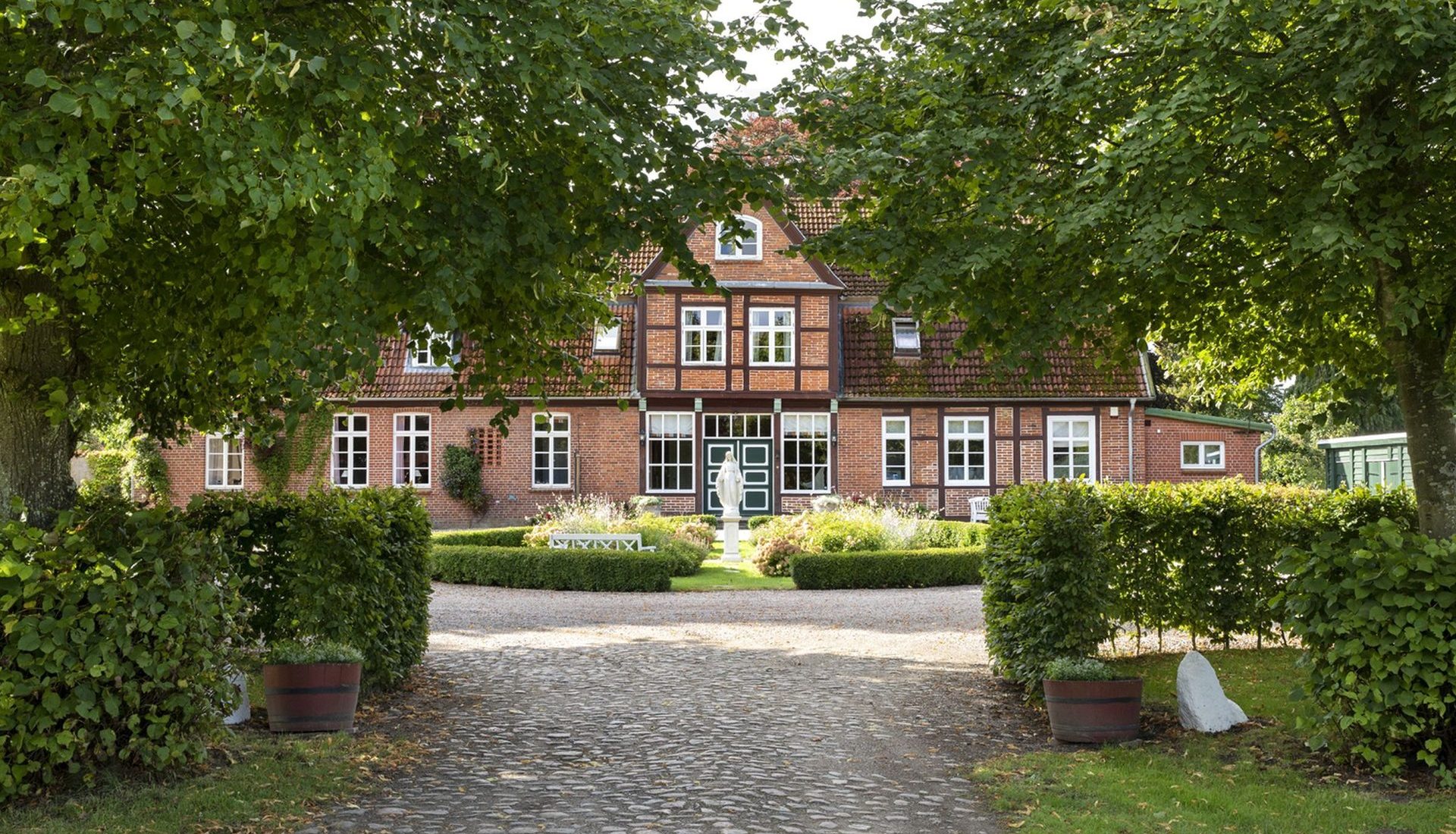
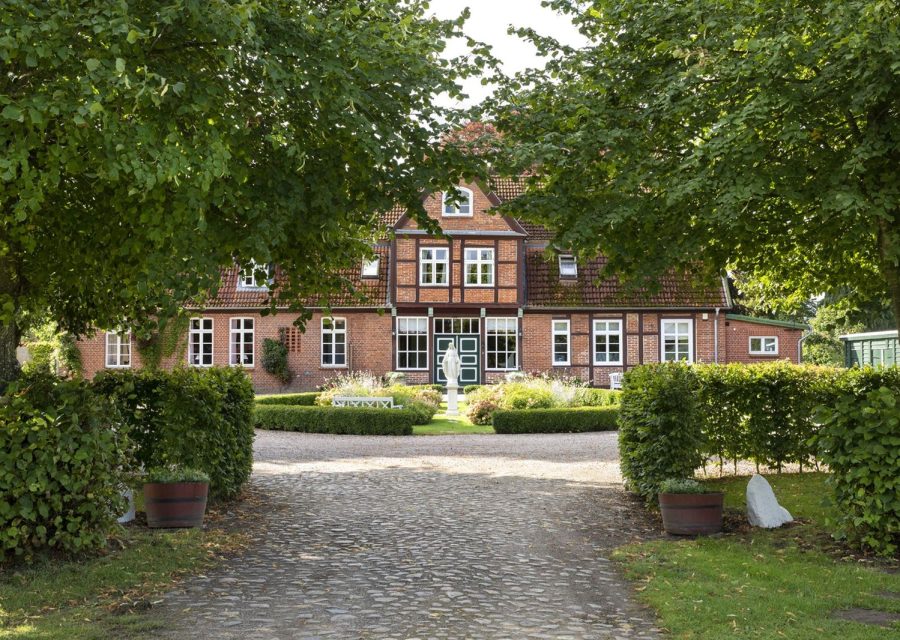
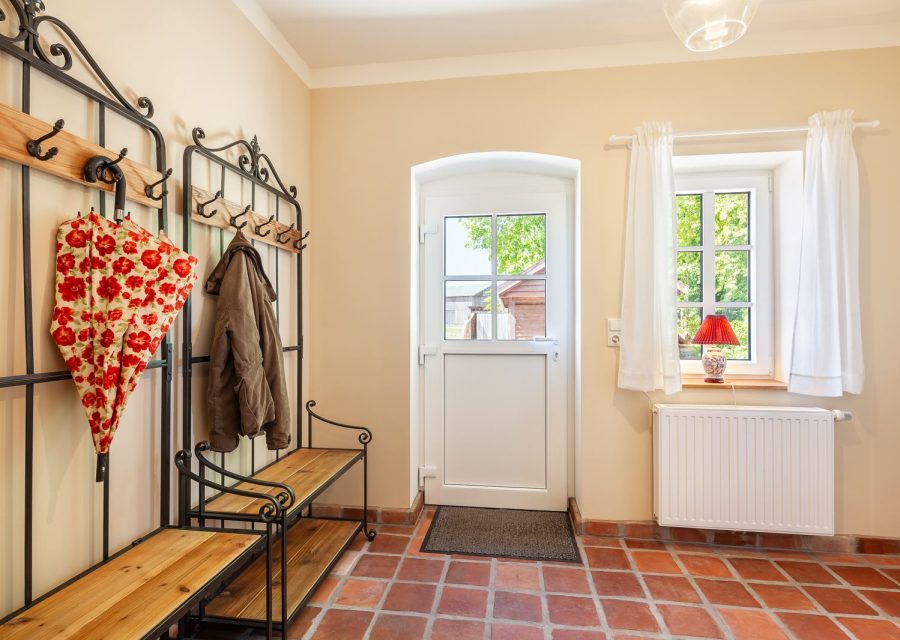
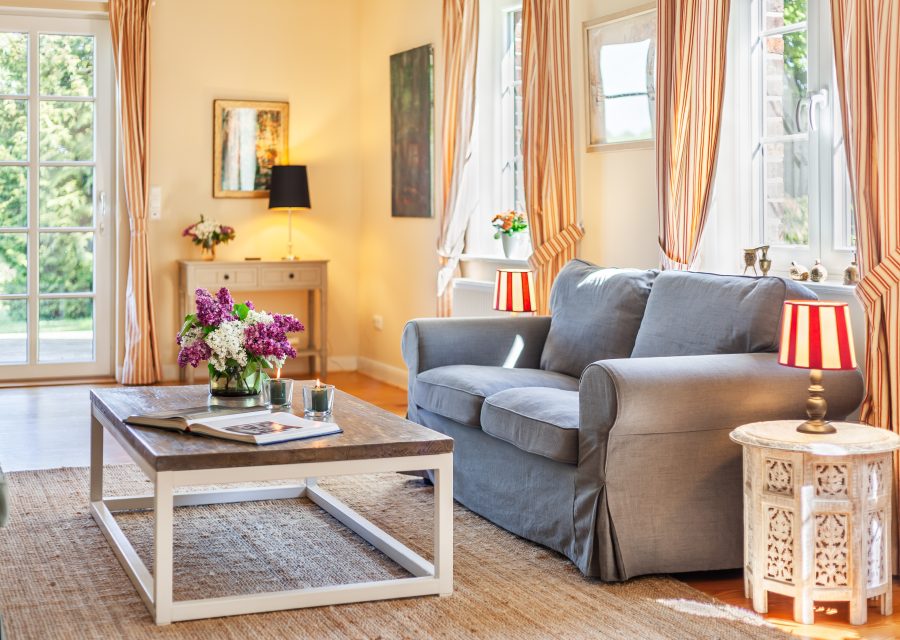
The Pächterhaus served for more than two centuries as the residence of the family who leased the estate. In 1969, a member of the House of Oldenburg took up residence there with his family. Its unassuming name rather understates the matter: this is a delightful early nineteenth-century manor house, enjoying complete seclusion on the edge of Holstein Switzerland, near Grömitz. With seven bedrooms, four bathrooms and some 400 square metres of living space, it is the largest house on the estate and receives up to fourteen guests. A living room, drawing room, dining room and winter garden afford ample opportunity for both company and quiet retreat.
The Kreuzkate, a recently restored former farmworkers’ cottage on the same estate, has a wood-burning stove at its heart and fine, uninterrupted views across the fields. Its four bedrooms and two bathrooms accommodate up to eight guests, while the generous garden leaves children at liberty to make the most of the outdoors.
The Neue Kate, built in 1904, is the youngest of the three houses and lies but a short distance from its neighbours. It accommodates eight guests in five bedrooms, with two bathrooms, and enjoys a garden of approximately 2,500 square metres.